

Have you ever caught yourself thinking, “Why am I like this?” and then spiraling into self-criticism before you even realize what happened?
It can be so fast you barely notice it. A small mistake. A weird tone in someone’s message. A photo you don’t like.
And suddenly your mind is narrating your entire worth like it’s a courtroom closing argument.
A lot of people assume that voice is “keeping them sharp.”
But research has long connected harsh self-criticism with higher stress and poorer wellbeing overall; more draining than motivating for many of us. (APA)
The good news is that these signs aren’t a life sentence.
They’re signals. Not proof that you’re broken, more like a quiet map that shows where you’ve been surviving without enough tenderness.
Self-love isn’t just bubble baths and affirmations.
It shows up (or doesn’t) in your patterns:
The small, everyday choices that shape your mood, relationships, confidence, and inner safety.
So let’s talk about the most common signs you lack self-love, the subtle behaviors people often miss, and gentle ways to start rebuilding trust with yourself without forcing positivity or pretending you feel fine.

What Self-Love Really Means (And What It’s Not)
Self-love is one of those phrases that can feel either comforting or… vaguely annoying.
Like something people say when they don’t know what else to say.
So let’s make it simple.
Self-love is mostly four things
- Self-respect: treating yourself like you matter, even when you’re messy or unsure.
- Self-trust: believing you can listen to yourself and make choices you’ll stand by.
- Self-compassion: responding to your pain the way you’d respond to a friend’s pain; human, kind, steady.
- Self-care: the practical part; sleep, food, rest, boundaries, support.
Self-love is less of a feeling and more of a relationship.
A way you treat yourself; especially when you’re disappointed in yourself.
What self-love is not
- It’s not ego.
- It’s not selfishness.
- It’s not constant confidence.
- It’s not “good vibes only.”
- It’s not pretending you never get insecure.
If you’re waiting until you feel 100% healed to practice self-love, you’ll be waiting a long time.
Most of us learn it in small, imperfect moments.
How self-love shows up in daily behavior
- You speak to yourself with fairness (not cruelty).
- You notice your needs before you’re in a full collapse.
- You set boundaries without writing a novel to justify them.
- You choose relationships that don’t require you to shrink.
- You rest because you’re human, not because you “earned” it.
A quick self-check I love (because it’s blunt and gentle at the same time):
Do I treat myself like someone I’m responsible for caring for?
If the honest answer is “not really,” that’s not a reason for shame. It’s information.
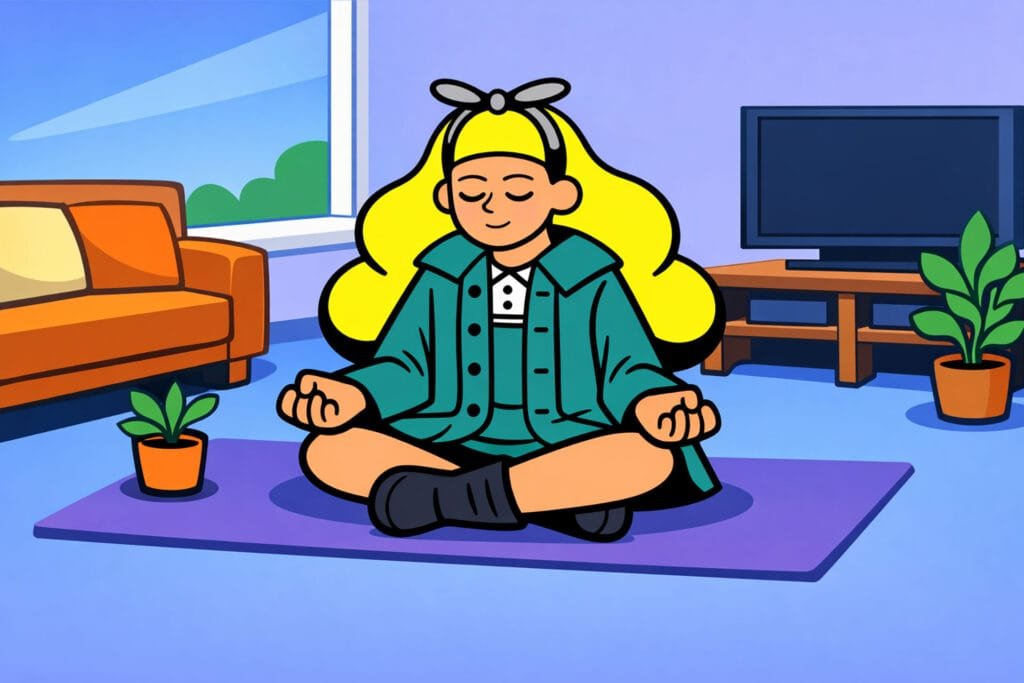
The Most Common Signs You Lack Self-Love
These are the patterns people usually recognize first, because they’re loud.
1) Chronic negative self-talk
The inner critic narrates everything:
- “You’re so embarrassing.”
- “Why can’t you just be normal?”
- “Of course you messed that up.”
Sometimes it doesn’t even sound mean.
Sometimes it sounds “practical.”
But it has a particular taste to it: relentless, impatient, emotionally unsafe.
Self-compassion research often frames the alternative as learning to be supportive toward yourself in suffering without denial, without harshness. (Annual Reviews)
2) Feeling “never good enough” even after achievements
You do the thing. You finish it. You succeed.
And instead of pride, you feel:
- relief,
- emptiness,
- or a quick pivot into “Okay, what’s next?”
Sometimes low self-worth doesn’t show up as “I’m a failure.”
It shows up as not being able to let success land.
3) Over apologizing and people pleasing by default
You apologize for:
- asking a question,
- taking up time,
- having feelings,
- needing clarification,
- existing with a pulse.
People pleasing can look like kindness, but it often feels like fear in a nice outfit: If everyone is okay with me, I’ll be safe.
4) Difficulty accepting compliments
You deflect. You joke. You minimize. You change the subject.
Part of you wants to believe the compliment.
Another part panics because accepting it would require you to see yourself differently.
5) Comparing yourself constantly (and always losing)
Even if you’re doing “fine,” your brain finds someone doing better, prettier, calmer, more successful, more loved.
The comparison trap isn’t proof you’re shallow.
It’s often a sign your worth feels conditional; like it has to be won.
6) Self-sabotage
This can look like procrastination, quitting early, not posting your work, avoiding visibility, or staying “almost ready” forever.
Sometimes it’s not laziness. Sometimes it’s protection:
- If I don’t try, I can’t fail.
- If I stay small, I can’t be judged.
7) Feeling guilty for resting or spending money on yourself
Rest comes with a voice:
- “You’re being lazy.”
- “Other people have it worse.”
- “You didn’t do enough to deserve this.”
Even small kindnesses toward yourself can trigger guilt when you’ve been taught that your needs are a burden.
8) Settling for less
In relationships, work, friendships, opportunities.
Not because you want less, but because asking for more feels like asking for too much.

Join the Waitlist
A kinder inner voice, daily.
Nostalgie World is a story-driven well-being brand that invites you into a gentle daily practice of reflection; through nostalgic characters, guided journaling, and emotionally safe rituals designed to foster self-compassion in just a few minutes a day.
No pressure.
No streak shame.
No clinical language.
Just a small moment of care, whenever you need it.
Subtle Signs You Might Miss (Because They Look “Normal”)
These are the ones that get normalized so deeply they can feel like personality.
Saying “I’m fine” while feeling emotionally exhausted
You’re not lying exactly.
You’re just… editing yourself.
“I’m fine” becomes a way to keep the peace, keep moving, keep people from asking questions you don’t have energy to answer.
Keeping yourself busy to avoid feelings
Productive avoidance is sneaky because it looks responsible.
But if you’re constantly filling every empty space with tasks, noise, errands, screens; sometimes the goal isn’t productivity.
Sometimes it’s not having to feel.
Over functioning: doing everything for everyone so you feel needed
You become the reliable one. The fixer. The organizer.
The emotional support person.
It can feel like love, but underneath is a fragile bargain: If I’m useful, I’m valuable.
Under functioning: shutting down, numbing out, scrolling to cope
On the other side, you might freeze. Numb. Drift.
Not because you don’t care, but because your system is overloaded.
“If I can just fix myself…” thinking
Self-improvement can be healthy.
But it can also become self-rejection wearing a growth mindset.
If your “healing” is fueled by disgust, shame, or urgency; your body usually knows.
Treating your needs as inconveniences
You don’t want to be “high-maintenance.”
You don’t want to be “too much.”
You don’t want to make anyone uncomfortable.
So you learn to live with discomfort as your baseline.
Not trusting your own decisions
You ask for reassurance about everything. You poll your friends. You rewrite texts ten times.
You need someone else to bless your choice before you can relax.
Self-trust is one of the quiet pillars of self-love and it’s rebuildable.
Staying in situations that shrink you because change feels “too much”
Sometimes you don’t leave because you think you deserve it.
Sometimes you don’t leave because your nervous system associates change with danger.
Patterns can be protective long before they become painful.

Behavioral Patterns That Signal Low Self-Worth
These are the “outer world” clues; how low self-worth shows up in what you tolerate and chase.
Tolerating disrespect, inconsistency, or emotional unavailability
You accept crumbs and call it a meal.
You rationalize mixed signals.
You become fluent in excuses for other people.
Self-love doesn’t mean you never get hurt.
It means you don’t build a home inside being hurt.
Chasing validation
Likes. Praise. Approval. External success.
There’s nothing wrong with enjoying recognition.
But when you need it to feel steady, it becomes exhausting like you’re always trying to earn permission to exist.
Perfectionism as protection
Perfectionism is often fear with high standards. It says:
- “If I do it flawlessly, no one can criticize me.”
- “If I’m perfect, I won’t be rejected.”
- “If I don’t make mistakes, I’ll be safe.”
It’s a strategy, not a personality trait.
Avoiding conflict at all costs
You swallow your needs because you’re afraid of being “difficult.”
You let things slide until you quietly resent everyone.
Avoiding conflict can look peaceful, but it often costs you your voice.
Over explaining and justifying your boundaries
A simple “No, I can’t” turns into:
- a long apology,
- a detailed excuse,
- and a self-defense speech.
If you feel guilty for having boundaries, it’s often because you learned your comfort came second.
Not advocating for yourself
Pay, time, space, attention, support.
You might tell yourself, “It’s not that big of a deal.”
But if it keeps happening, it usually is a big deal to you.
“I don’t deserve it” behaviors
Rejecting opportunities. Playing small. Not applying. Not asking. Not trying.
Sometimes you don’t even consciously think, “I don’t deserve it.”
You just feel a heaviness in your chest when you imagine being seen.

Emotional & Mental Indicators (Your Inner World Gives It Away)
Sometimes the loudest signs aren’t what you do, they’re what you carry.
Persistent shame, self-blame, or feeling “broken”
Shame isn’t “I did something wrong.”
Shame is “I am something wrong.”
If shame is your default lens, self-love can feel suspicious at first like it’s too soft to be true.
Anxiety after social interactions
Rumination. Replaying. Overthinking.
You comb through your tone, your words, your facial expression, your timing; searching for proof you messed up.
Hypervigilance: scanning for signs you upset someone
You read micro expressions like a survival skill.
You sense shifts in energy. You feel responsible for everyone’s comfort.
That’s not “being sensitive.”
That’s a nervous system that learned safety was uncertain.
Difficulty feeling proud
Accomplishments feel neutral.
You move the goalpost.
You minimize what you did.
Pride can feel unsafe when you grew up learning that confidence would be punished or mocked.
Feeling unlovable when you’re not performing
When you’re achieving, helping, pleasing, producing; you feel “okay.”
When you’re tired, messy, emotional, or quiet you feel like a burden.
That’s conditional worth.
And it’s heavy.
Being kinder to everyone else than you are to yourself
This one hurts because it’s so common.
You’d never talk to a friend the way you talk to yourself.
You’d never expect a friend to earn rest.
You’d never tell a friend they’re “too much” for needing basic care.
And yet you do it to you.
Self-compassion, as researchers describe it, isn’t self-pity or indulgence, it’s a supportive stance toward yourself in difficulty. (Annual Reviews)
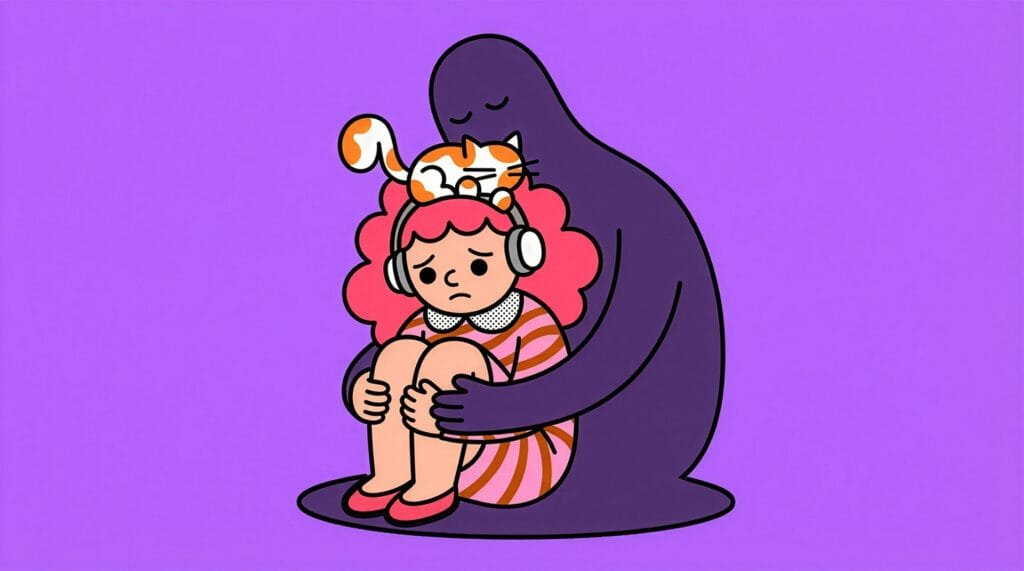
Relationship Signs You Lack Self-Love
Relationships tend to expose self-worth because closeness activates old beliefs.
Over-giving and resentment
You give more than you can sustain.
You say yes when you mean no. You overextend, then feel unseen.
Resentment is often the aftertaste of self-abandonment.
Fear of abandonment leading to tolerating less-than-basic respect
If being left feels like an emergency, you’ll accept almost anything to avoid it.
Sometimes the goal becomes “keep them,” not “is this good for me?”
Losing yourself in relationships
You mirror. You shrink. You adapt.
You become what you think they want.
And slowly you forget what you actually like, need, or believe.
Attracting or staying with emotionally unavailable people
Not because you’re “broken.”
Sometimes emotionally unavailable feels familiar. Sometimes it matches what love looked like earlier in life: inconsistent, earned, uncertain.
Struggling to ask for what you need (then feeling disappointed)
You hope they’ll notice.
You hope they’ll choose you.
You hope they’ll read your mind.
And when they don’t, you tell yourself it’s because you’re not lovable enough to be cared for without begging.
Confusing intensity with intimacy
Chaos can feel like chemistry when your nervous system is used to unpredictability.
Steady love can feel “boring” at first not because it is, but because it doesn’t spike your adrenaline.
Boundaries & Burnout, The Loudest Clue
If there’s one area where lack of self-love becomes obvious, it’s here.
You say “yes” automatically, then feel depleted
The yes is quick. The regret is slow.
You want to be good. Helpful. Easy. And then you go home and crash.
Your boundaries are inconsistent because you fear being “too much”
You set a boundary, then walk it back.
You apologize for it.
You over-explain it.
Because deep down you’re afraid that having needs will make you unlovable.
You keep promises to others but break promises to yourself
You show up for everyone.
You cancel on yourself.
Over time, that quietly erodes self-trust.
You feel responsible for everyone’s emotions
You manage moods. You anticipate reactions.
You try to prevent discomfort.
That’s a lot to carry, especially when it isn’t your job.
You rest only when you “earn it”
Rest becomes a reward for productivity instead of a basic need.
And that can lead to burnout cycles:
push → crash → guilt → repeat.
It’s worth noting that the World Health Organization describes burnout as a syndrome resulting from chronic workplace stress that hasn’t been successfully managed, characterized by exhaustion and mental distance/cynicism related to work, among other features. (WHO)
Even if what you’re feeling isn’t strictly workplace-related, the pattern chronic strain without recovery; can still be a meaningful signal that something needs care.

Why This Happens (It’s Not a Personal Failure)
If you see yourself in these patterns, you might be tempted to turn it into more self-criticism.
Please don’t.
Most “lack of self-love” behaviors are not character flaws.
They’re strategies.
Childhood messaging and conditional love
If you grew up with criticism, unpredictability, emotional neglect, or love that felt earned, your brain adapted.
You learned:
- to perform,
- to please,
- to stay quiet,
- to be useful,
- to read the room,
- to minimize needs.
Those aren’t moral failures. They’re survival skills.
Bullying, shame, and relationships that trained you to doubt yourself
If you’ve been mocked, rejected, betrayed, or emotionally dismissed, it makes sense that self-trust would wobble.
Sometimes your inner critic is just an old voice you internalized still trying to keep you safe by keeping you small.
Cultural conditioning
A lot of cultures reward productivity and perfectionism, and punish softness.
You might have learned that:
- rest is laziness,
- confidence is arrogance,
- needs are inconvenient,
- and worth equals output.
No wonder self-love can feel unnatural.
Nervous system survival responses in everyday behavior
You might recognize these patterns:
- Fight: control, defensiveness, perfectionism.
- Flight: busyness, overworking, always doing.
- Freeze: shutdown, numbness, avoidance.
- Fawn: people pleasing, over apologizing, self erasing.
Often, these responses were once protective. Now they’re just outdated.
A reframe that can change everything:
You didn’t choose these patterns because you’re weak. You chose them because they worked until they didn’t.
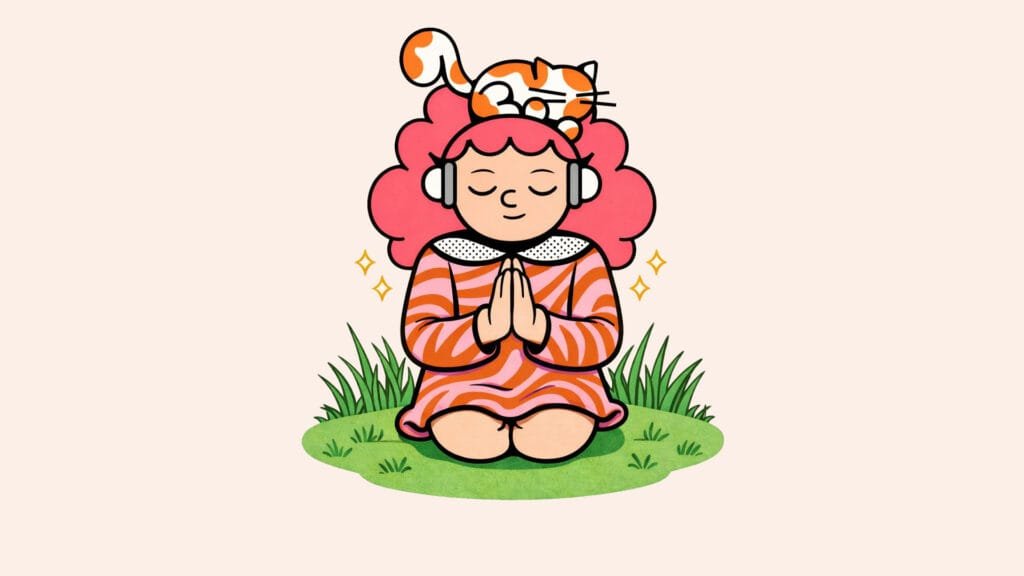
How to Start Building Self-Love (Without Forcing Positivity)
If “love yourself” feels too big, too fake, or too far away; start smaller.
Start with self-neutrality
Self neutrality sounds like:
- “I’m a human having a hard day.”
- “I don’t have to hate myself to grow.”
- “I can be imperfect and still worthy.”
For some people, that’s the first honest bridge.
Replace harsh self-talk with compassionate realism
Not affirmations you don’t believe. Not toxic positivity.
Try language that’s kind and true:
- “This is hard, and I’m doing my best with what I know.”
- “I made a mistake. I’m still a good person.”
- “I can repair this without punishing myself.”
Self-compassion research often emphasizes being supportive to yourself in moments of pain, rather than attacking yourself for having pain. (Annual Reviews)
Micro-boundaries: one small “no” at a time
You don’t have to overhaul your entire life.
Try one gentle boundary this week:
- “I can’t talk about that right now.”
- “I need to think about it and get back to you.”
- “I’m not available tonight.”
No speeches required.
Keep tiny promises to yourself (rebuild self-trust)
Self trust grows through evidence.
Pick something almost too small to fail:
- drink water in the morning,
- go outside for two minutes,
- put your phone away for five minutes,
- write three sentences in a journal.
Then do it.
Not perfectly.
Just consistently.
Build a simple “soothe list” for overwhelm
A soothe list is a set of small actions you can repeat when your brain is loud:
- warm shower
- tea
- a walk around the block
- music
- clean sheets
- sitting in the car in silence for three minutes
- texting one safe person
You’re not fixing your life in those moments.
You’re creating inner safety.
Use journaling prompts that uncover patterns without shame
Journaling works best when it’s curious, not punitive.
Instead of “What’s wrong with me?” try:
- “What was I needing right then?”
- “What did I fear would happen if I chose myself?”
- “What part of me was trying to stay safe?”
Track progress by behavior, not mood
Feelings often lag behind change.
Some days you’ll practice boundaries and still feel guilty. That doesn’t mean it’s not working.
It means your nervous system is learning something new.

A Simple 7-Day Soft Reset (Perfect for Overwhelmed Beginners)
Think of this as a gentle structure, not a transformation challenge.
A soft reset is what you do when you’re tired of spiraling but you don’t have energy for a big overhaul.
It’s small. Kind. Realistic.
Ten minutes a day is enough to create momentum.
Day 1: Name your inner critic patterns
Prompt ideas:
- “When does my inner critic show up the most?”
- “What phrases does it repeat?”
- “What does it think it’s preventing?”
Then add one compassionate sentence you can believe:
- “I’m learning. I’m not hopeless.”
Day 2: Identify triggers + common spirals
- “What situations trigger my shame spiral?”
- “What do I usually do next over explain, shut down, people please, numb out?”
No judgment. Just noticing the map.
Day 3: Needs audit (sleep, food, connection, rest)
Ask:
- “What have I been asking my body to live without?”
- “If I treated my needs as valid, what would I give myself today?”
Sometimes low self-love starts as basic depletion.
Day 4: Boundary snapshot (where you leak energy)
- “Where do I say yes when I mean no?”
- “Where do I over give to stay liked?”
- “Where do I feel resentful?”
Pick one tiny boundary to practice this week.
Day 5: Self-trust mini-promises
Choose one small promise for the next 24 hours:
- “I’ll go to bed 15 minutes earlier.”
- “I’ll eat something with protein.”
- “I’ll take a 5-minute walk.”
Write it down. Keep it. Let that be evidence.
Day 6: Self-compassion reframe practice
Take one painful thought and rewrite it with compassionate realism.
- Harsh: “I always mess things up.”
- Reframe: “I made a mistake. I can learn and repair without attacking myself.”
Self-compassion, as described in research reviews, includes being supportive toward yourself when you suffer, rather than isolating or over-identifying with the pain. (Annual Reviews)
Day 7: Next-week plan and relapse-proofing
Relapse proofing isn’t failure proofing. It’s honesty.
- “What usually pulls me back into self-abandonment?”
- “What’s my early warning sign?”
- “What’s one gentle response I can try next time?”
Then choose one focus for next week:
- one micro boundary,
- one self-trust promise,
- one self-compassion phrase.
Why guided prompts help when you’re mentally overloaded
When you’re overwhelmed, your brain often defaults to the familiar (scrolling, self-criticism, overthinking).
Guided prompts can reduce decision fatigue: you don’t have to figure out what to ask yourself.
You just show up.
NHS Inform even offers a structured self-esteem self-help guide based on cognitive behavioural therapy (CBT) principles, which reflects how helpful guided, step by step approaches can be when self-esteem feels shaky. (NHS inform)
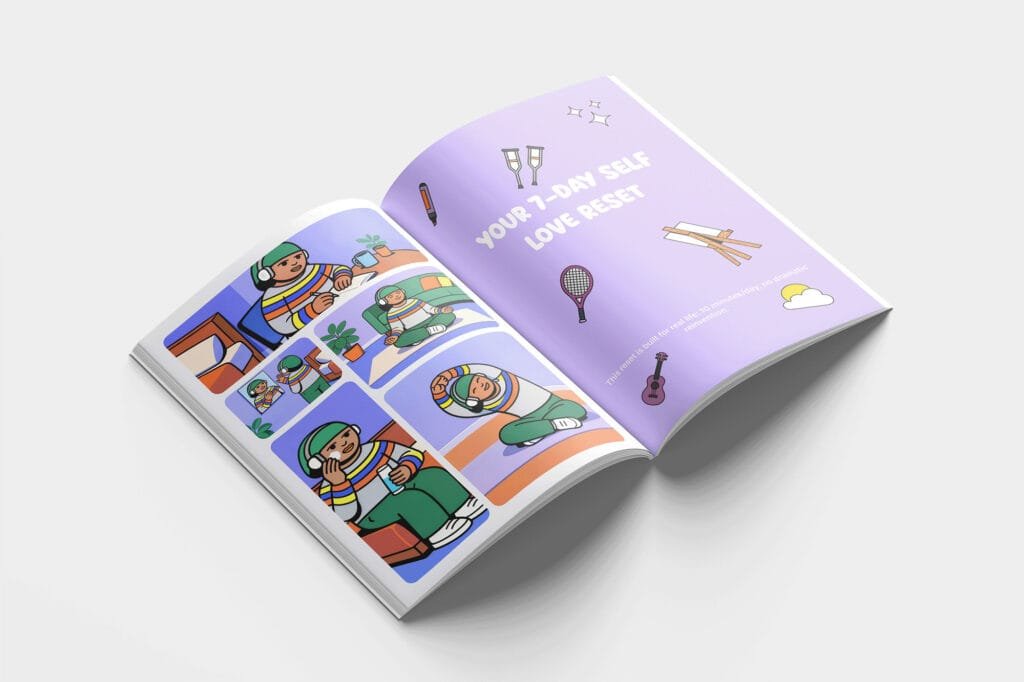
Get your personalized Soft Reset plan in 2 minutes.
Answer a few quick questions and we’ll match you with a gentle plan based on your needs , capacity & vibe so you can feel steadier and build self-trust with small daily steps.
Signs It’s Working (Progress Markers to Look For)
Progress often looks quieter than you expect.
Your inner voice becomes less cruel and more supportive
Not perfect. Not always kind. But less brutal.
You recover faster from mistakes
You still feel it, but you don’t spiral as long.
You repair instead of punish.
You pause before saying “yes”
You create a moment of choice.
That pause is self-respect in action.
You ask for what you need with less guilt
Even if your voice shakes a little.
Even if you still feel nervous.
You stop chasing closure from people who can’t give it
You don’t need everyone to understand you in order to choose yourself.
You feel steadier even if life is still messy
The outside might not be “fixed.”
But inside, you’re becoming a safer place to live.

Conclusion
If you recognized yourself in these signs you lack self-love, please don’t use that as evidence that you’re failing.
Use it as proof that you’re aware and awareness is a real pivot point.
Self-love isn’t a personality trait you either have or don’t.
It’s a relationship you build, moment by moment, especially when you’re overwhelmed and your brain wants to default to self-criticism.
You don’t have to “fix yourself.”
You don’t have to become someone new.
You just need a starting place that feels gentle enough to actually do.
If a 7-day Soft Reset feels like that starting place, let it be small.
Let it be imperfect. Let it be yours.
You’re not behind.
You’re learning how to come back to yourself.