

“Talk to yourself like you would to someone you love.”
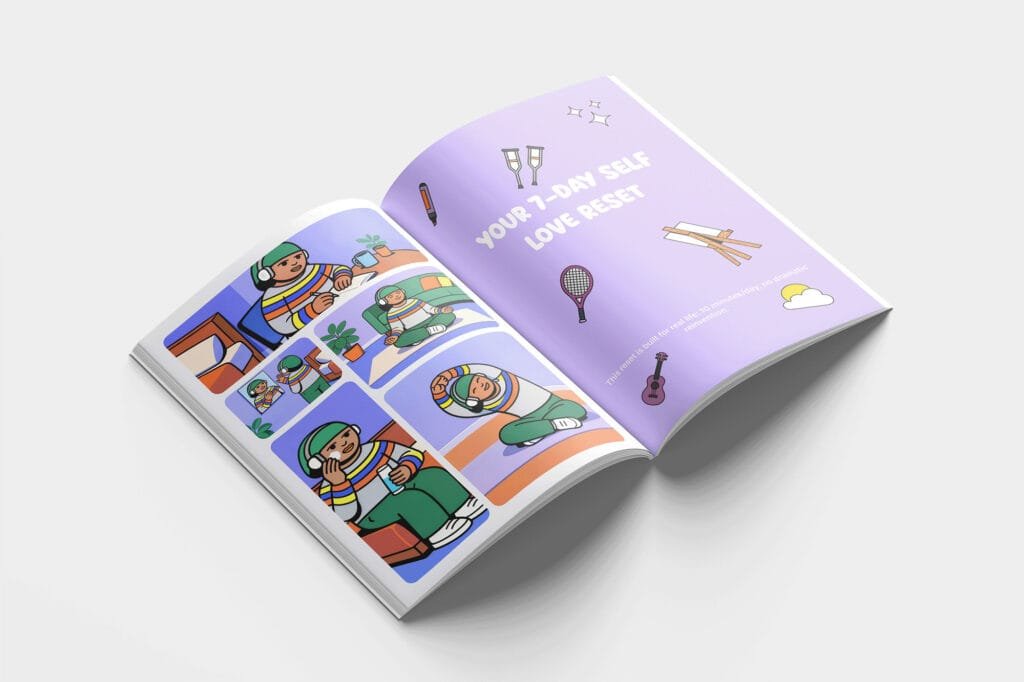
Get your personalized Soft Reset plan in 2 minutes.
Answer a few quick questions and we’ll match you with a gentle plan based on your needs , capacity & vibe so you can feel steadier and build self-trust with small daily steps.
That quote tends to land softly… and then linger.
Because if we’re honest, many of us don’t speak to ourselves with much kindness at all.
We learned how to achieve. How to adapt. How to keep going.
We learned comparison, productivity, and people-pleasing.
But self-love?
That usually arrived later, if at all.
And yet, your relationship with yourself quietly shapes everything else. When your self love foundations feel steady, something begins to shift. You notice more inner peace. Your boundaries become clearer. Confidence starts to grow from the inside instead of depending on outside approval.
Even stress feels more manageable, because you’re no longer fighting yourself through hard moments.
This isn’t about perfection or constant positivity. It’s about building a gentler, more trusting relationship with who you already are.
Let’s begin there.

What Are Self-Love Foundations (and Why They Matter)?
Self love is often reduced to surface level self care; a warm bath, a quiet morning, a new journal. Those things can be lovely. But real self love runs deeper.
At its core, self love foundations are built on a few quiet pillars:
- Self worth: believing you matter, even when you’re struggling
- Self respect: honoring your values, limits, and needs
- Self compassion: meeting mistakes and setbacks with kindness instead of punishment
Together, these create emotional safety inside yourself.
Strong foundations support emotional wellness in very practical ways.
They influence how you handle stress, how you speak up in relationships, and how you recover from disappointment.
They shape your self esteem and your ability to experience authentic living rather than constantly performing for approval.
And no… this isn’t selfish.
Self love doesn’t mean ignoring others. It means including yourself in the circle of care.
When you treat yourself with respect, you tend to show up more grounded, present, and emotionally available with the people around you.
That’s how healthy connection begins.

Join the Waitlist
A kinder inner voice, daily.
Nostalgie World is a story-driven well-being brand that invites you into a gentle daily practice of reflection; through nostalgic characters, guided journaling, and emotionally safe rituals designed to foster self-compassion in just a few minutes a day.
No pressure.
No streak shame.
No clinical language.
Just a small moment of care, whenever you need it.
The Psychology Behind Self-Love and Self-Worth
Most of us didn’t wake up one day and decide to doubt ourselves. These patterns often take root early.
Childhood experiences, family dynamics, and early relationships can quietly shape how safe we feel being ourselves.
Over time, this becomes an internal voice; sometimes supportive, sometimes critical.
You might recognize both:
- The inner critic, quick to point out flaws or replay old mistakes
- The inner ally, softer, encouraging, reminding you that you’re human
Part of self discovery is learning to strengthen that inner ally.
You may also notice familiar attachment patterns in your relationships or stress responses when emotions run high.
This is where emotional intelligence and emotional regulation gently come into play; not as something to “fix”, but as something to understand.
The hopeful part? The mind is adaptable.
Our beliefs about ourselves aren’t permanent.
Through small mindset shifts and repeated compassionate choices, new pathways can form.
This is one reason personal growth feels slow at first; you’re practicing new ways of relating to yourself.
And practice adds up.

Core Pillars of Self-Love Foundations
While everyone’s healing journey looks different, most self love foundations grow from a few shared roots.
Self-awareness
Noticing your thoughts, emotional triggers, and needs without judgment. This is the beginning of self reflection and mental clarity.
Self-acceptance
Making room for your whole story; strengths, imperfections, and all. This includes honoring where you’ve been, not just where you hope to go.
Self-compassion
Offering yourself warmth during setbacks instead of harshness. Especially when old patterns resurface.
Self-respect
Living in alignment with your personal values. This shows up through personal boundaries, honest communication, and authentic confidence.
Personal responsibility
Taking gentle ownership of your self growth strategies. You don’t have to blame yourself for what hurt you, but you can choose how you care for yourself now.
None of these are destinations. They’re ongoing practices.

Daily Habits That Strengthen Self-Love
Self love is built quietly, through everyday choices.
Here are a few options you might experiment with; no pressure to do them all.
Learn Journaling for beginners
Morning moments of positive self talk
Even one kind sentence in the mirror can shift your emotional tone for the day.
Gratitude journaling
Writing down a few small things you appreciate can support emotional balance and mindfulness practice.
Gentle journaling prompts
Try questions like: What do I need today? or What am I proud of lately?
Discover our 75 self-love prompts
Mindfulness and meditation for self love
A few minutes of breathing or stillness can help reconnect your mind-body connection.
Physical self care
Rest, nourishing meals, and movement you enjoy are part of daily self care, not rewards for productivity.
Digital boundaries
Limiting scrolling helps reduce comparison and protects your inner confidence.
These wellness routines aren’t about becoming “better.” They’re about creating space to be more present with yourself.

Setting Healthy Boundaries Without Guilt
Boundaries often get misunderstood. They aren’t walls. They’re bridges that show others how to treat you.
Healthy boundaries might include:
- Emotional boundaries (not absorbing everyone else’s feelings)
- Time boundaries (protecting rest and personal space)
- Physical boundaries (honoring comfort and consent)
Simple scripts can help:
- “I’m not available for that right now.”
- “Let me get back to you.”
- “That doesn’t work for me.”
Boundary setting supports burnout prevention and stress management, even when it feels uncomfortable at first.
Some people may push back.
That doesn’t mean you’re doing anything wrong. Staying grounded often looks like repeating your boundary calmly and remembering that self respect matters.
Over time, personal boundaries strengthen relationships, including the one you have with yourself.
Healing Your Relationship With Yourself
Many of us carry limiting beliefs formed long ago:
I’m too much. I’m not enough. I have to earn love.
Noticing negative self talk is the first step toward change.
From there, you might gently reframe past experiences with compassion, or explore inner child healing by acknowledging younger parts of you that still want safety and acceptance.
Letting go of perfectionism healing and people pleasing recovery often happens slowly, through small acts of self validation:
- Allowing rest without guilt
- Saying no when something feels wrong
- Choosing honesty over approval
Sometimes, deeper emotional healing benefits from outside support. Therapy for self esteem or coaching can be helpful spaces for reflection, especially when old patterns feel heavy. Seeking support isn’t weakness — it’s personal empowerment.

Building Confidence From the Inside Out
There’s a difference between external validation and inner confidence.
External validation comes and goes while Inner confidence grows when you keep small promises to yourself.
This might look like:
- Celebrating small wins
- Using habit building to stack gentle routines
- Practicing affirmations that feel believable
- Visualizing how you want to show up, then taking one tiny step
Authentic confidence also comes from living your personal values, not copying someone else’s version of success.
You don’t have to track everything.
Sometimes progress simply feels like responding more kindly to yourself than you did last month.
That counts.
Common Roadblocks to Self-Love (and How to Overcome Them)
Even with the best intentions, obstacles appear.
Comparison culture can erode self worth. Imposter syndrome can whisper doubts. Self-sabotage may show up when growth feels unfamiliar.
When motivation fades, consistency often comes from compassion, not discipline.
Returning to basics like sleep, movement, and connection supports life balance and emotional resilience.
Support systems matter too.
Whether it’s a friend, a community, or a professional guide, being witnessed helps reinforce your relationship with yourself.
You were never meant to do this alone.
Conclusion
Building strong self love foundations isn’t a one-time decision. It’s a quiet, lifelong practice.
It begins with awareness. It grows through daily self care and mindset shifts. And it deepens every time you choose kindness over criticism, even when it feels awkward or slow.
You don’t need to become someone else to deserve peace.
You already belong to yourself.
Start small.
Choose one gentle habit.
Set one healthy boundary.
Write one compassionate sentence to yourself today.
Over time, these small acts create emotional resilience, inner peace, and a steadier sense of self.
Your healing journey doesn’t need to be rushed. You’re allowed to arrive exactly as you are.
Frequently Asked Questions
What are the core foundations of self-love?
Self-love foundations include self-acceptance, self-compassion, self-respect, and self-awareness; the psychological and emotional building blocks that help you value yourself independently of external validation.
These elements help shape confidence, resilience, and overall emotional well-being. They involve both mindset and behavior, such as treating yourself kindly, recognizing your worth, and honoring personal boundaries.
How can I start practicing self-love every day?
Daily self-love practices begin with small, intentional habits like positive self-talk, gratitude, mindful self-reflection, and prioritizing your needs without guilt.
Asking yourself questions such as “What do I need right now?” or “How can I be kinder to myself today?” can deepen awareness and strengthen self-love over time.
What’s the difference between self-love and self-esteem?
While self-esteem focuses on how much you value yourself based on accomplishments or abilities, self-love is broader; it’s a gentle acceptance of yourself regardless of success or perfection.
Self-love includes compassion for your flaws, forgiveness for mistakes, and the willingness to nurture your emotional and physical needs consistently.
How do I know if I lack self-love?
Common signs of low self-love include constant self-criticism, seeking approval from others, difficulty setting boundaries, and ignoring your emotional or physical needs.
Reflective questions like “Do I speak kindly to myself?” or “Do I honor my needs?” can help you assess where your self-love might be lacking and what shifts are needed.
Can self-love really improve my relationships?
Yes. When you cultivate self-love, including self-respect and emotional awareness; you naturally set healthier boundaries, communicate more authentically, and attract relationships that support your well-being.
Loving yourself first helps you interact with others from a place of security rather than neediness or fear.